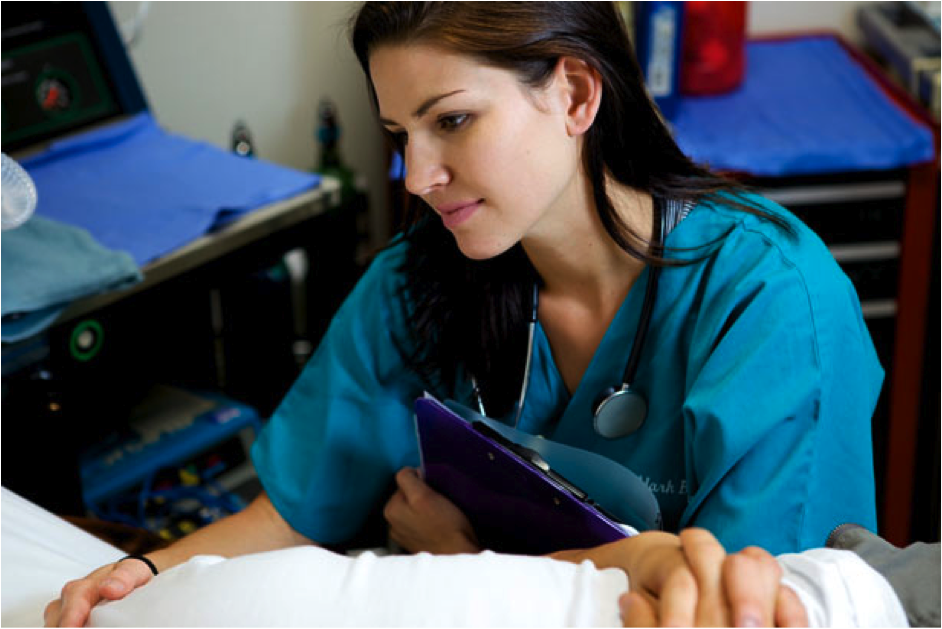
Overview Of Speciality Care And Other Care Services
SPOTLIGHT ON:
- Subacute Care combined with Urgent Care Centre and Domiciliary Care Agency
RCC is reviewing the possibility of combining a traditional subacute care facility with an innovative urgent care centre because of the “triple overlap” of services under one set of overheads.
Subacute Care Definition:
‘Nursing and rehabilitative services provided to patients who have, typically, gone through major surgery, have a serious illness, or have suffered a major accident. In most cases an acute hospital stay immediately precedes their stay in a subacute facility, the patients have become medically stable, they do not require intensive diagnostic and/or invasive procedures and no longer require the more intensive services of the hospital but they are not well enough to be at home or in a traditional nursing home. They require three to eight hours of nursing care and usually one or more hours of rehabilitative care each day. In most cases the patient’s condition is expected to improve so that they might be discharged home or to a nursing home. A subacute stay can last from a week to six months, though most cases fall into a range of two weeks to three months. Speciality subacute care is ‘outcome’ orientated and aims to deliver the patient home earlier, healthier and more economically than traditional acute care providers.’
(The modern nursing station area surrounded by patient rooms is not so different to the design of the 1780s.)
Each patient category will have a number of 'care maps', planning the route to discharge or outcome. It is estimated that, initially, some 40 care maps will be offered through existing data held. Each care map is adaptable and each patient will have their own, tailor made care map. The advantages of admitting a patient with a defined care plan and discharge date are numerous. Patients whose specific illnesses cannot be catered for by our permanent staff will be treated by consultant therapists as agreed in the initial care map, together with their own GP and consultant. Each
care map contains clinical milestones that patients are designed to achieve a specific number of days after entering the programme.
Offering clearly defined care maps for each patient enables our own nursing staff to operate in a far more efficient manner.
The data that we are able to use will enable us to develop medical protocols specific to defined conditions, this means new patients can be aggressively treated thereby reducing their length of stay and the accompanying costs.

Each centre will offer full rehabilitation services including hydrotherapy pools and equipment. The centres will be plumbed for oxygen in each dedicated patient bedroom and will include a dedicated paediatric ventilator section. As part of the care map dieticians will assess the food requirements which will then be relayed to each centres chef. An in-house pharmacy will be incorporated within each facility.
Chart of Subacute Care Services
|
CATEGORY |
TYPICAL PATIENT DESCRIPTION |
TYPICAL LENGTH OF STAY (DAYS) |
|
Orthopaedic |
Hip or knee replacement |
8 - 30 |
|
Cardiac Recovery |
Heart attack |
8 - 25 |
|
Pulmonary Management |
Tracheotomy |
8 - 25 |
|
Vascular / Wound Management |
Skin ulcers |
15 - 30 |
|
Oncology Recovery |
Chemotherapy/Radiation therapy |
15 - 30 |
|
Stroke Recovery |
Stroke |
Up to 45 |
|
Medically Complex |
Various medical conditions |
14 - 28 |

Subacute care offers significant cost savings to providers and provides a happier, healthier outcome-orientation environment for patients. RCC is looking for sites within easy reach of a large general hospital and with suitable planning and other consents. A minimum buildable area of 15,00 sq.ft. on a minimum plot size of 1 – 2 acres is required.
Each speciality Subacute Care centre will offer a variety of care programmes or care maps to the following categories of patients including : -
Orthopaedic Recovery: Patients who are recovering from orthopaedic surgery (such as joint replacements or amputations) or serious fractures may be admitted into this programme as early as two days after surgery or injury. These patients typically require comprehensive rehabilitation, including physical or occupational therapies, following stabilisation of their conditions or after surgery, and may require traction or fixation devices.
Cardiac Recovery: Patients who are recuperating from heart attacks or heart surgery, or associated complications, are provided with the nursing and rehabilitation services necessary to enable them to enter an outpatient rehabilitation programme.
Pulmonary Management: Patients with acute or chronic lung disease, including those with tracheotomies and ventilators, are provided with short-term intensive programmes of pulmonary, physical or occupational therapies.
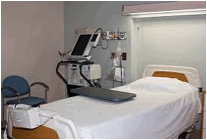
Vascular and Wound Management: Patients who are recovering from surgery for circulatory problems, or from difficult-to-heal wounds or burns, receive services designed to further the healing process, such as state-of-the-art dressing techniques, specialised bed therapies, nutritional support and physical or occupations therapies.
Oncology Recovery: Patients who have undergone surgery, chemotherapy, radiation or immunotherapy as a result of cancer are provided with a range of services, including pain management, nutritional and psychological support.
Stroke Recovery: Patients who are recovering from strokes and require treatment for related neurological and physical problems are provided with a range of services, including physical, occupational and speech therapy. The patients will also receive evaluations of their homes to ensure that appropriate devices are in place prior to discharge from the Subacute Care centre.
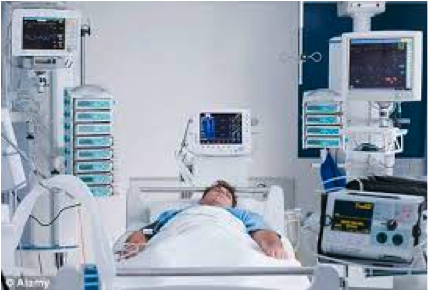
Medically Complex Patient Management and Ventilator Dependent Patients: Patients who have multiple problems, including diabetes and digestive system, urinary tract and kidney disorders. These patients typically require many ancillary services and therapies. The goal of this programme is to return patients to their homes with or without support services or to have them re-enter an acute care hospital for additional surgery or treatment.

Urgent Care: One of the fastest-growing areas in American health care, a surge driven by the expansion of private health coverage, the Patient Protection and Affordable Care Act and the corresponding need being driven by legislative mandate.
The centers have emerged to fill a critical market need for patients whose conditions are urgent but not life-threatening enough to warrant a trip to the hospital emergency department. Rather than endure long waits at either their physician’s office or emergency departments, they seek immediate assistance, without appointment, at an urgent care center.
At an urgent care center, patients can obtain treatment for low-level trauma, such as x-rays for a twisted ankle and a variety of other conditions associated with minor injuries. In addition, urgent care centers can provide primary care with treatment continuity as well as repeatable services. School and athletic physicals, corporate wellness programs, and workers’ compensation offerings can also be provided.